
Sustainable Solutions for Your Home: Eco-Friendly Exterior Maintenance Practices
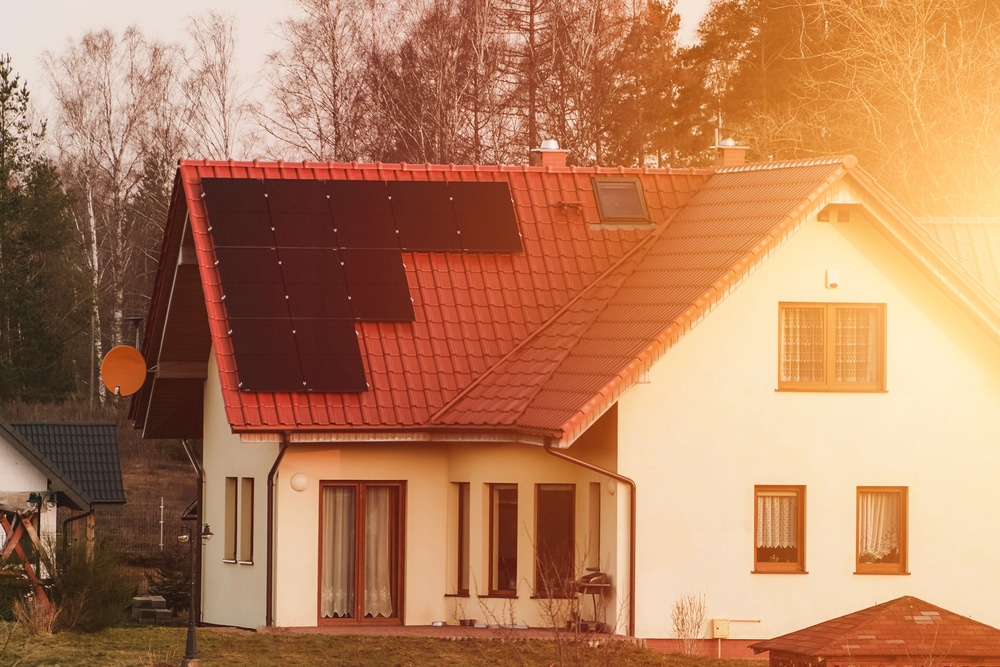
Our homes, havens of comfort and security, also play a significant role in our environmental footprint. Did you know that residential buildings account for nearly 20% of energy-related carbon dioxide emissions in the United States? At Polar Bear Exterior Solutions, we believe that sustainable exterior maintenance is crucial for minimizing this impact. We’re dedicated to helping homeowners create beautiful, high-performing homes that are also environmentally responsible. Sustainable exterior maintenance encompasses using eco-friendly materials, implementing energy-efficient practices, and prioritizing long-term durability in all aspects of home upkeep, from roofing and siding to landscaping and cleaning. It’s about making conscious choices that reduce our environmental footprint while enhancing the comfort and value of our homes. This commitment to sustainability is not just about environmental responsibility; it’s a smart investment. Sustainable practices benefit both the environment and homeowners through cost savings on energy bills, increased property value due to eco-friendly features, and improved health thanks to better indoor air quality and reduced exposure to harmful chemicals. Environmental Benefits: Reduced Carbon Footprint: The building industry is a significant contributor to greenhouse gas emissions. Manufacturing processes for materials like concrete and steel are energy-intensive. Choosing sustainable alternatives, such as reclaimed wood or recycled materials, directly reduces your home’s carbon footprint. Consider the lifecycle of your building materials – from sourcing and manufacturing to transportation and disposal – and opt for options that minimize their environmental impact. Conservation of Natural Resources: Our planet’s resources are finite. Sustainable practices help conserve these resources. For example, using recycled asphalt shingles diverts waste from landfills while reducing the need to extract virgin materials. Similarly, sourcing wood from forests certified by the Forest Stewardship Council (FSC) ensures responsible forestry practices and helps protect our forests. Minimized Pollution: Traditional paints, sealants, and cleaning products often contain volatile organic compounds (VOCs) and other harmful chemicals that pollute the air, water, and soil. Switching to low-VOC or zero-VOC products and eco-friendly cleaning solutions minimizes pollution and creates a healthier environment for your family and the wider community. Economic Advantages: Lower Energy Bills: Sustainable exterior maintenance translates to significant energy savings. Proper insulation in walls and attics, energy-efficient windows with low-E coatings, and reflective roofing materials all contribute to reducing heat transfer, keeping your home cooler in summer and warmer in winter. This directly translates to lower heating and cooling costs. Increased Property Value: As awareness of sustainability grows, homebuyers are increasingly seeking eco-friendly homes. Features like solar panels, energy-efficient appliances, and sustainable landscaping can significantly enhance your home’s appeal and potentially increase its market value. Reduced Long-Term Maintenance Costs: Sustainable materials are often chosen for their durability and longevity. For instance, fiber cement siding resists rot, insects, and fire, requiring less maintenance and replacement compared to traditional wood siding. This durability translates to cost savings over the lifespan of your home. Health and Well-being: Improved Indoor Air Quality: Many conventional building materials and finishes release volatile organic compounds (VOCs) into the air, which can negatively impact indoor air quality and contribute to respiratory problems. Choosing low-VOC or zero-VOC paints, sealants, and adhesives creates a healthier indoor environment for your family. Proper ventilation also plays a crucial role in maintaining good indoor air quality. Reduced Exposure to Harmful Chemicals: Switching to eco-friendly cleaning products and avoiding the use of pesticides and herbicides in your yard reduces your family’s exposure to harmful chemicals, promoting better health and well-being. Connection to Nature: Sustainable landscaping practices, such as planting native species, creating green spaces, and incorporating elements like green roofs, foster a connection to nature. Studies have shown that spending time in nature has numerous benefits for both mental and physical health, reducing stress and improving overall well-being. Your roof is your home’s primary defense against the elements, and choosing a sustainable roofing solution is a crucial step in creating an eco-friendly and high-performing home. Several options are available, each with its own set of benefits and considerations. Recycled Asphalt Shingles: A Sustainable Second Life Recycled asphalt shingles offer a compelling blend of sustainability and performance. Composition and Manufacturing: These shingles are made from recycled asphalt, fiberglass, and other reclaimed materials, significantly reducing the amount of waste sent to landfills. The manufacturing process is similar to that of traditional asphalt shingles, but with the added benefit of utilizing recycled content. Durability and Performance: Recycled asphalt shingles often perform comparably to traditional shingles in terms of durability and weather resistance. Many manufacturers offer warranties that are similar to those for standard shingles, giving homeowners confidence in their investment. Cost Considerations: The cost of recycled asphalt shingles is generally comparable to, or sometimes slightly higher than, traditional asphalt shingles. However, the environmental benefits and potential long-term savings make them an attractive choice for eco-conscious homeowners. Example: A homeowner in the Pacific Northwest replaced their old roof with recycled asphalt shingles. They not only reduced their environmental impact but also qualified for a local rebate program, making the project even more cost-effective. Metal Roofing: Durability and Efficiency Combined Metal roofing is known for its exceptional longevity and energy efficiency. Types of Metal Roofing: Several types of metal roofing are available, including steel (durable and cost-effective), aluminum (lightweight and corrosion-resistant), and copper (a premium option with a distinctive aesthetic and long lifespan). Benefits: Metal roofs offer exceptional longevity, often lasting 50 years or more. They are highly reflective, reducing solar heat gain and lowering cooling costs. Metal is also a recyclable material, further enhancing its sustainability. Aesthetics and Design Options: Metal roofing is available in a wide range of styles, colors, and finishes, from sleek standing seam to traditional shingle-style designs, allowing homeowners to achieve their desired aesthetic. Cost Analysis and ROI: While the initial cost of metal roofing is higher than asphalt shingles, its long lifespan and energy efficiency can result in a strong return on investment over time. Solar Roofing: Generating Clean Energy at Home Solar roofing solutions offer the opportunity to generate clean energy directly from your roof. Solar Shingles vs. Traditional Solar Panels: Solar shingles integrate
Traditional vs. Modern: Choosing a Patio Door Style
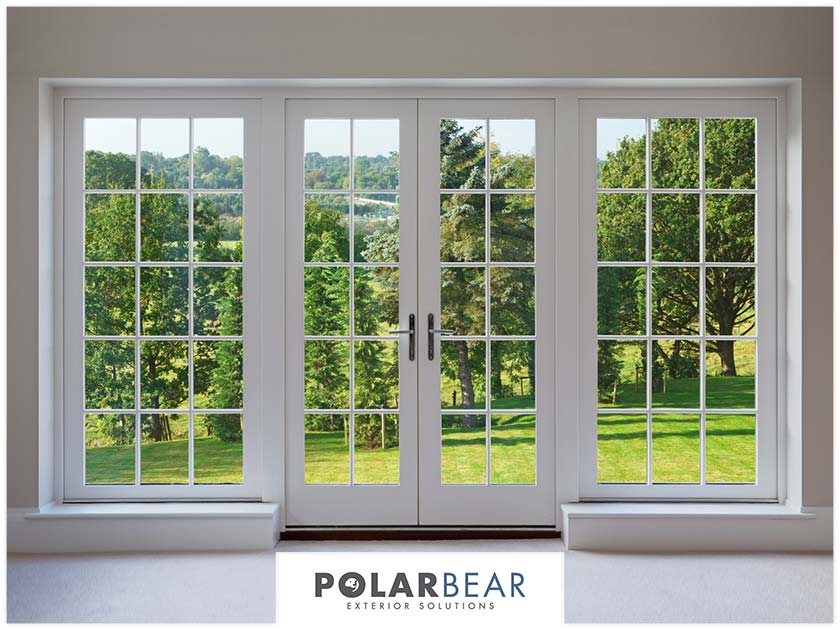
A patio door replacement is always a worthy investment for every homeowner. Not only does it help connect your interiors with your outdoor living space, it can also add to your home’s overall value. But which patio door style will best fit your home and your specific needs? Polar Bear Exterior Solutions, the area’s trusted expert in door replacement and roofing, offers a brief comparison between the two most popular patio door styles available–French and sliding doors.