
Winterize Your Pacific Northwest Home: Expert Tips for Energy Efficiency and Safety
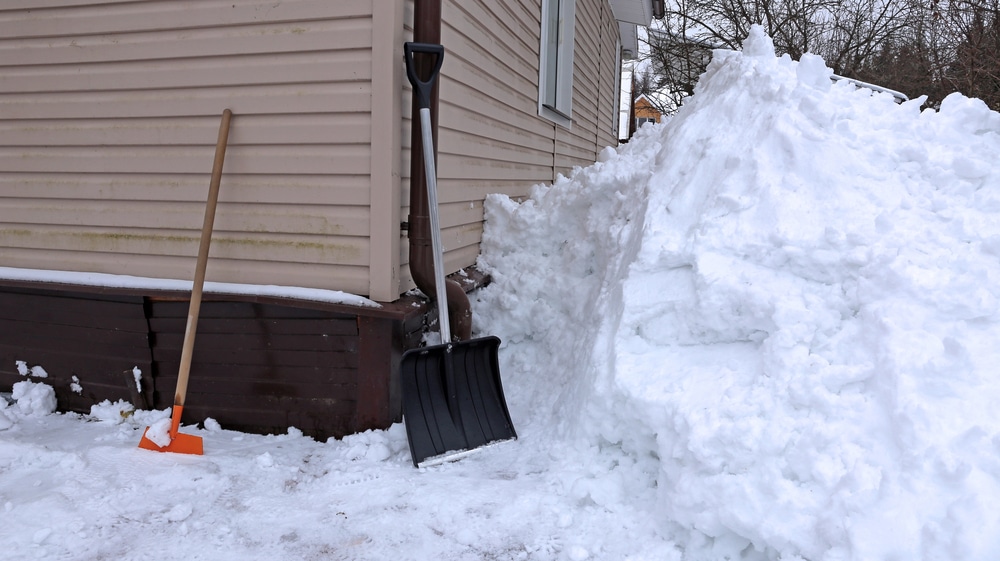
The Pacific Northwest’s winter season, characterized by its unpredictable weather, can pose significant challenges to homeowners. From heavy rainfall and snowfall to frigid temperatures, the region’s unique climate can have a significant impact on your home’s comfort, safety, and energy efficiency. To ensure your home is well-prepared for the winter months, it’s essential to take proactive steps to winterize your property. By winterizing your home, you can not only enhance your comfort and safety but also reduce your energy costs. A well-insulated and weather-tight home can significantly minimize heat loss, keeping your interior warm and cozy, even on the coldest days. Additionally, by addressing potential issues like leaky roofs, damaged siding, and drafty windows, you can protect your home from water damage, mold, and other winter-related problems. This comprehensive guide will provide you with essential tips and advice on how to winterize your home in the Pacific Northwest. We’ll cover everything from exterior maintenance to interior preparation, energy efficiency, and safety measures. By following these guidelines, you can ensure your home is well-equipped to withstand the challenges of the winter season. Polar Bear Exterior Solutions is committed to helping you prepare your home for winter. Our team of experts can assist with a variety of exterior improvement services, including roof inspections and repairs, siding installation and repair, window and door replacement, and energy-efficient upgrades. By partnering with Polar Bear, you can have peace of mind knowing that your home is protected from the elements and optimized for energy efficiency. In the following sections, we’ll explore specific steps you can take to winterize your home, highlighting the role of Polar Bear Exterior Solutions in helping you achieve your goals. Exterior Preparation Your home’s exterior is its first line of defense against the harsh winter elements. By properly maintaining your roof, siding, and windows, you can protect your home from damage, improve energy efficiency, and enhance its overall curb appeal. In the following sections, we will explore essential exterior maintenance tasks, including: Roof Inspection and Maintenance: Ensuring your roof is in top condition to withstand heavy snowfall and strong winds. Siding and Trim: Inspecting and repairing your siding and trim to prevent water damage and maintain your home’s aesthetic appeal. Windows and Doors: Weatherproofing your windows and doors to reduce energy loss and improve comfort. Roof Inspection and Maintenance: A Shield Against Winter’s Wrath A well-maintained roof is crucial to protecting your home from the harsh winter elements. Regular inspections can help identify potential issues early on, preventing costly repairs and ensuring your home’s structural integrity. Signs of Roof Damage Missing or Damaged Shingles: Keep an eye out for missing or damaged shingles, as they can compromise your roof’s ability to protect your home from water damage. Curling or Cupping Shingles: These signs indicate that your shingles may be nearing the end of their lifespan and may need replacement. Granule Loss: A significant loss of granules can reduce your roof’s ability to reflect sunlight and protect itself from UV rays. Leaks: Look for water stains on your ceilings or walls, which may indicate a leak in your roof. Sagging or Uneven Areas: These can be signs of structural damage or excessive moisture. Necessary Repairs and Maintenance Gutter Cleaning: Regular gutter cleaning is essential to prevent water damage to your roof and foundation. Clogged gutters can lead to water overflow and ice dams, which can cause significant damage to your roof. Flashing Inspection and Repair: Inspect the flashing around chimneys, vents, and skylights to ensure it is properly sealed and preventing water infiltration. Roof Repair: If you identify any damage to your roof, such as cracked or missing shingles, it’s important to address it promptly to prevent further damage. Polar Bear’s Role in Roof Maintenance At Polar Bear Exterior Solutions, we understand the importance of a well-maintained roof. Our team of experienced professionals offers a comprehensive range of roofing services, including: Roof Inspections: We conduct thorough roof inspections to identify potential problems and provide expert recommendations. Roof Repairs: Our skilled technicians can repair a variety of roof damage, including leaks, damaged shingles, and faulty flashing. Roof Replacements: We offer a wide range of high-quality roofing materials, including asphalt shingles, metal roofing, and cedar shake roofing. We can help you choose the best option for your home’s specific needs and budget. By entrusting your roof maintenance to Polar Bear Exterior Solutions, you can have peace of mind knowing that your home is protected from the elements. Siding and Trim: A Strong First Impression Your home’s siding and trim are its first line of defense against the elements. Regular inspections and maintenance can help protect your home from water damage, decay, and energy loss. Inspecting Siding and Trim Look for Damage: Inspect your siding and trim for signs of damage, such as cracks, holes, or missing pieces. Check for Rot: Look for signs of rot, particularly around windows, doors, and other areas where moisture can accumulate. Examine Paint: Check for peeling, chipping, or fading paint, which can lead to water damage and structural issues. Necessary Repairs and Maintenance Caulking and Sealing: Regularly inspect and repair caulking around windows, doors, and other openings to prevent water infiltration. Painting: Repaint your siding and trim every few years to protect them from the elements and maintain your home’s curb appeal. Siding Replacement: If your siding is severely damaged or outdated, consider replacing it with a more durable and energy-efficient material. Choosing the Right Paint When selecting paint for your exterior, consider the following factors: Durability: Choose a high-quality paint that is resistant to fading, peeling, and mildew. Finish: A glossy or semi-gloss finish can be more durable and easier to clean than a matte finish. Color: Select a color that complements your home’s style and complements the surrounding environment. Polar Bear’s Role in Siding and Trim Polar Bear Exterior Solutions offers a wide range of siding and trim services to help you maintain and improve your home’s exterior. Our experienced team can help you with: Siding Installation:
Is Fiber-Cement Siding Bad for People and the Environment?
Absolutely not! In fact it is very much the opposite. Many people have mistakenly compared fiber-cement siding to asbestos siding. Asbestos siding is made from fine strands of minerals that are noxious to the human body and the environment. Fiber-cement on the other hand is made from a mix of cellulose (wood pulp), silica (sand), cement and water. James Hardie, the industry leader in the manufacture of fiber-cement siding uses sustainably-grown lumber and locally sourced sand to further lessen its impact on the environment. We also take time during the installation to make sure that we prevent kicking dust into the air. We use special saws that chip to make the cuts instead of traditional sawing which can create dust.
Do You Really offer Real Wood Windows?
We hear this question a lot, and for good reason. Many window companies claim to offer window options in wood, however when they come out they really only want to encourage you to choose a vinyl option. Or maybe they only offer vinyl windows with faux woodgrains. While there are disadvantages of traditional solid wood windows in this environment, the technology has improved to allow you to keep the classic style of your home while updating its energy-efficiency with a weathersafe option that will hold up in the harsh and pounding rains our homes are exposed to in Western Washington. *Read more about our wood-framed windows
How Do I Know if I Need New Windows?
The easiest way to tell is just by looking at them, if your windows have mold around the frames or moisture fogging up inside the glass they have likely failed. If your home was built before 1991 you most likely have aluminum windows which are terribly inefficient. High energy bills and cold, drafty rooms are obvious indicators, but there may be more subtle signs as well. A window that doesn’t close or lock easily may have a compromised frame which can lead to structural damage and dry rot where you can’t see.
Can I Get My Roof Replaced in the Wintertime?
Yes, we can replace your roof year-round, and for most applications in all types of weather. While sunny and clear days are ideal, they can be few and far between in Western Washington. We are able to work year round and install most composition and metal roofs in any kind of weather. Most flat roofs do require dry weather for the products to install correctly and if we are replacing the plywood, it is best to do it when the conditions are dry. If for some reason we do get caught by surprise, all of our work trucks are equipped with 1000 square foot tarps to protect your roof while we wait for weather to clear up.
Is it sunny enough for solar panels to work in the Northwest?
Yes. The technology has greatly improved to allow solar to be an economically feasible option even with our grey and gloomy skies. New generation photovoltaic systems are able to produce power from the UV rays that are present even on rainy and overcast days. While they are most effective in sunny weather, they can still produce a substantial amount of energy during the not-so-sunny months of Western Washington. When we design a system for your home we will consider your location and usage needs to produce some amount of electricity in the colder, darker months and an excess in the summer months. Through net-metering, the excess electricity produced during those brighter, longer days of summer will be credited back to you for those darker, shorter days of winter and fall to maximize your progress towards energy-indepence.
I have double pane windows already, why would I need to change them?
Double pane or “Therma-Pane” windows are not necessarily any more efficient than a single pane window. What makes glass options available today so much more insulating than the double-pane of years past is the coatings that they apply to the glass surfaces and the gases they put in between the panes. Low Emissivity treatments are coatings applied to the glass by applying a micro-thin layer of zinc and silver oxides that reflect heat and insulate much in the same way as an emergency blanket. Gases like argon and krypton are denser than air, and when pumped in between the panes of glass, they insulate by slowing down the loss of heat from conduction.
Are Triple-Pane Windows Necessary in Washington?
There are many common misconceptions out there regarding triple-pane windows. Most commonly you’ll discover it isn’t cold enough in our climate to require triple-pane windows which makes them a bit “over-kill.” However, needs vary from home to home and customer to customer. Some homes, for a variety of reasons, just tend to be energy hogs and require all the help they can get. Some individuals tend to get cold more easily than others too. Another popular myth is that triple-pane is outrageously expensive. However when you compare a quality long-lasting, investment-grade double pane to its triple pane counterpart, the cost is fairly negligible. A triple pane glass unit does requires a reinforced, engineered frame to support the added weight, but we think in many cases a quality durable frame is good idea regardless of whether you want to choose a double pane or triple pane option. Our team of skilled specialists will work with you one on one to determine what fits best for your needs and overall plans for your home and budget.